

Centers & Institutes
Health Equity Research Center

About Us
Our Mission
At the University of Arizona’s Mel and Enid Zuckerman College of Public Health, the Health Equity Research Center (HERC) is dedicated to reducing health disparities through innovative, transdisciplinary approaches. By leveraging community strengths, health data, and technology, we enhance health literacy, connect individuals to vital health information and care, and promote equitable healthcare access. Our mission is to empower underserved communities in the U.S. Southwest and beyond, creating meaningful, lasting improvements in health outcomes through respectful engagement and the training of diverse public health professionals.
Our Vision
We envision a future where everyone—regardless of socioeconomic background, race, ethnicity, gender, education, abilities, geographic location, sexual orientation, or cultural and religious beliefs—has access to high-quality healthcare. Our goal is a world where individuals not only have access to care but also understand and actively engage with health information, leading to better health outcomes.
News & Events
News Story
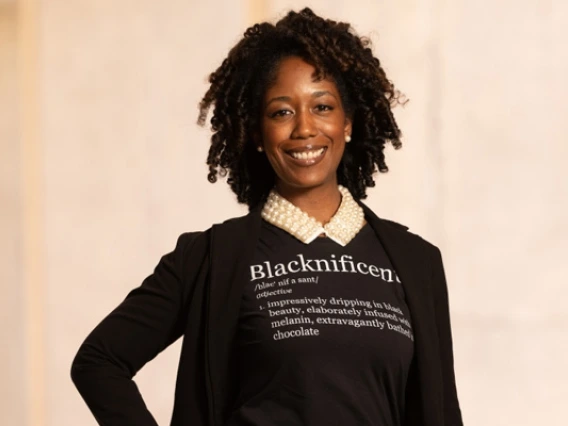
Dr. Kelly Palmer is one of the recipients of the Innovations in Heathy Aging Seed Grant Funding
Press Release
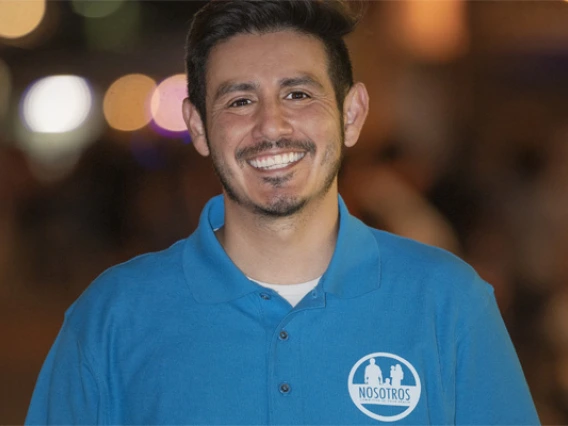
Dr. David Garcia Named to American Cancer Society Cancer Action Network’s National Board of Directors
News Story
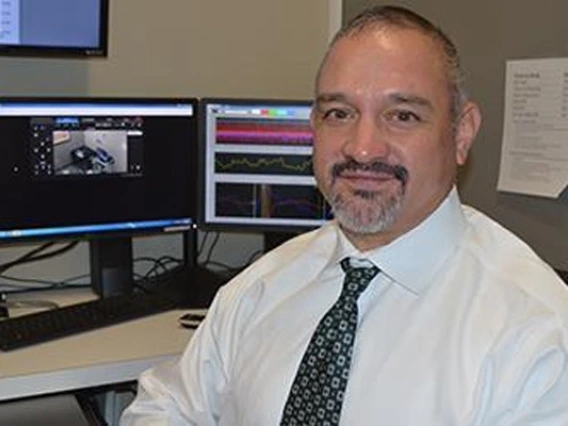
Dr. John Ruiz appointed to U.S. Preventive Services Task Force

Recognition
Dr. Tze-Woei Tan honored with ADA Foot Care Early Career Award
Meet the Team

Gloria Coronado, PhD, is an epidemiologist who champions affordable, long-term solutions to health disparity issues. She leads a well-funded research portfolio that inspires health system leaders to make sensible, evidence-informed choices to engage hard-to-reach populations in life-saving preventive behaviors.
Dr. Coronado has developed several innovative, cost-effective interventions to improve rates of participation in cancer screening among patients served by community health centers. Her work has led to successful partnerships with large health plans, state institutions, and community clinics. She currently directs or co-directs three programs that employ systems-based approaches to raise the rates of colorectal cancer screening and follow-up in health plans and clinics in Washington, Oregon, and California.
Dr. Coronado’s research uses existing health system data and population segmentation approaches to proactively deliver outreach to patients who need it the most; her research strives to promote health care efficiency while advancing equity.
Dr. Coronado’s team specializes in applying patient-engagement strategies to develop culturally relevant health education material. Materials developed by her team (English- and Spanish-language patient-facing materials, e.g. fact sheets, videos, training modules) have been disseminated to hundreds of health systems and community organizations across the United States.
Dr. Coronado came to the Center for Health Research from the Cancer Prevention Program at the Fred Hutchinson Cancer Research Center, where she led a training program that prepared diverse undergraduate and postbaccalaureate students to conduct cancer research.
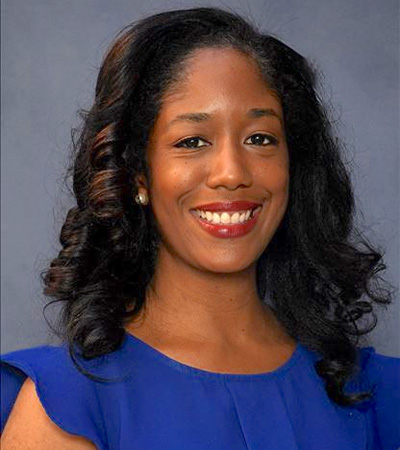
Dr. Palmer is the Associate Director of the UAHS Center for Health Disparities Research and an Assistant Professor in the Department of Health Promotion Sciences at the University of Arizona Mel and Enid Zuckerman College of Public Health. Broadly, her research seeks to understand sociocultural influences of health behavior and to design and implement culturally informed interventions to achieve health equity for vulnerable and underserved populations. Her desire is to understand how to better engage these populations- particularly Black women in research, chronic disease screening, and cardiometabolic risk reduction interventions. Her work is centered on how experiences and perspectives impact cardiometabolic related health outcomes using community and asset-based approaches. She employs qualitative inquiry to solicit comprehensive personal accounts and contextual information from individuals that can help to improve interventions and health care delivery in populations experiencing disproportionate burden of cardiometabolic disease.
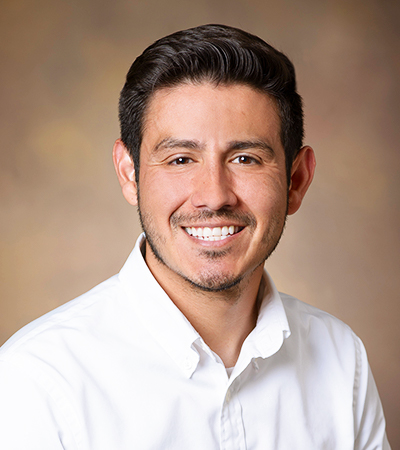
Dr. Garcia is an Associate Professor in the Mel and Enid Zuckerman College of Public Health at the University of Arizona. He has extensive experience in short and long-term intervention trials in the areas of physical activity, diet, and weight management. He received his training from leading institutions and mentors in the field. Since 2006, Dr. Garcia has worked on numerous funded research projects, including research funded by industry, National Institutes of Health (NIH), and foundations. This includes working as a lifestyle interventionist/exercise physiologist in several clinical trials with overweight and obese adults, morbidly obese adults (Class II and III obesity), and individuals with type 2 diabetes.
Since arriving at the University of Arizona, his research has focused on the development of gender and culturally-sensitive weight-loss interventions for Hispanic males. To support this effort, Dr. Garcia established “Nosotros Comprometidos a Su Salud -Committed to Your Health”, a program developed to support research through community service and partnering with underserved Tucson residents. Dr. Garcia is currently examining the burden of obesity-related disease and cancers, such as nonalcoholic fatty liver disease (NAFLD) and hepatocellular carcinoma, in Mexican-Origin adults.
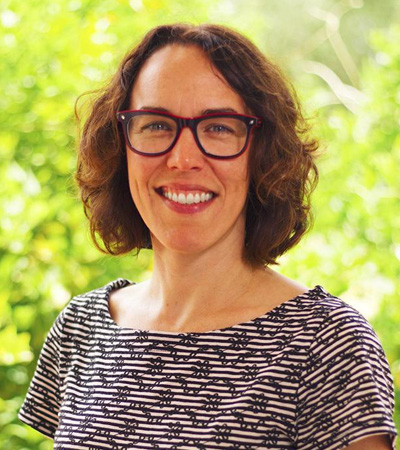
Dr. Hingle is an Associate Professor, School of Nutritional Sciences and Wellness at the University of Arizona. Dr. Hingle is a nutrition scientist, public health researcher, and Registered Dietitian Nutritionist with experience and training in medical nutrition therapy, health promotion, behavioral sciences, and related research methodologies. Her work is conducted at the intersection of nutritional sciences research and public health practice, where I seek to understand predictors and consequences of behavioral risk factors associated with obesity and type 2 diabetes and apply this knowledge to the design and delivery of lifestyle behavior modification interventions for children and families at risk of diet-sensitive disease. Dr. Hingle is committed to interdisciplinary and team science, and her collaborations and work reflect this commitment. The overall goal of her research is the prevention of type 2 diabetes and related metabolic disorders, with an emphasis on youth and families. Three aims focus her research program activities: (1) understand predictors and correlates of the lifestyle behaviors associated with energy balance and diabetes risk, including diet and physical activity behavior; (2) develop and test new approaches to support participants in modifying lifestyle behaviors associated with diet-sensitive disease risk; and (3) integrate research findings with clinical and community practice, while identifying and addressing potential barriers that impede implementation at scale.
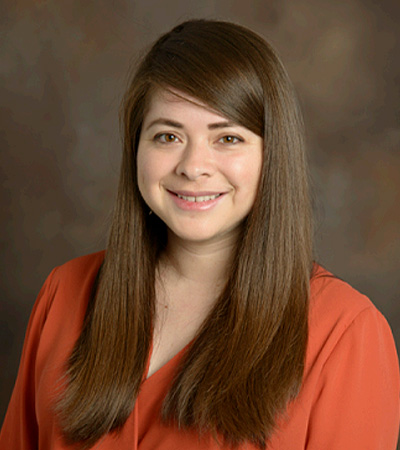
Dr. Flores grew up in Midland, Texas and was avidly curious about the natural and social world. Her undergraduate research experiences at The University of Texas, Austin and early community work in behavioral health spurred her interest in social dynamics and health. She continued her education at The University of Arizona where she graduated with a Ph.D. in Family Studies and Human Development and a formal minor in Biostatistics. She is currently a postdoctoral fellow in The Department of Psychology at The University of Arizona working with Dr. John M. Ruiz. As a developmental scientist, she aims to understand both social and structural factors associated with the persistence of health disparities in Latina/o/x populations using a resilience-focused lens. She is interested in novel and advanced quantitative methods to model complex, social environments as they relate to cardiovascular disease. Dr. Flores is enthusiastic and committed to strengthening the academic pipeline for diverse scholars. She is currently an active mentor across several academic domains spanning middle (6th-10th grade) to graduate school.
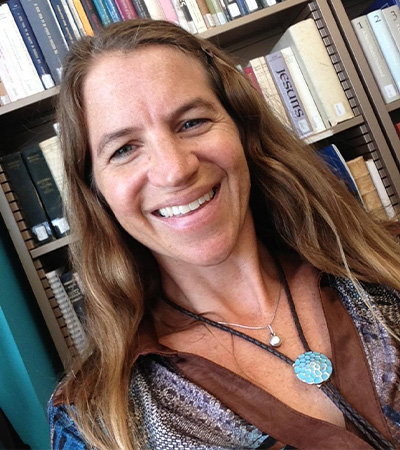
Dr. Crocker is an applied anthropologist, folklorist, and engaged community advocate and formally served as a postdoctoral fellow in the UAHS Center for Health Disparities Research at the University of Arizona. She is currently working as a Scientist - Cultural Anthropologist at Varian Bio. Dr. Crocker has studied Latin American immigration for the past 25 years and worked hands-on in immigrant communities in California, Arizona, and North Carolina as a public-school teacher, violence prevention organizer, and certified language interpreter. She takes a multi-disciplinary and action-oriented approach to studying the relationship between migration and health amongst Mexican immigrants, with a focus on contextual factors that influence the heavy burden of chronic disease and related complications affecting Latino communities, community levels sources of stress and resilience, the emotional experience of migration, traditional healing modalities, and binational barriers to medical care access.
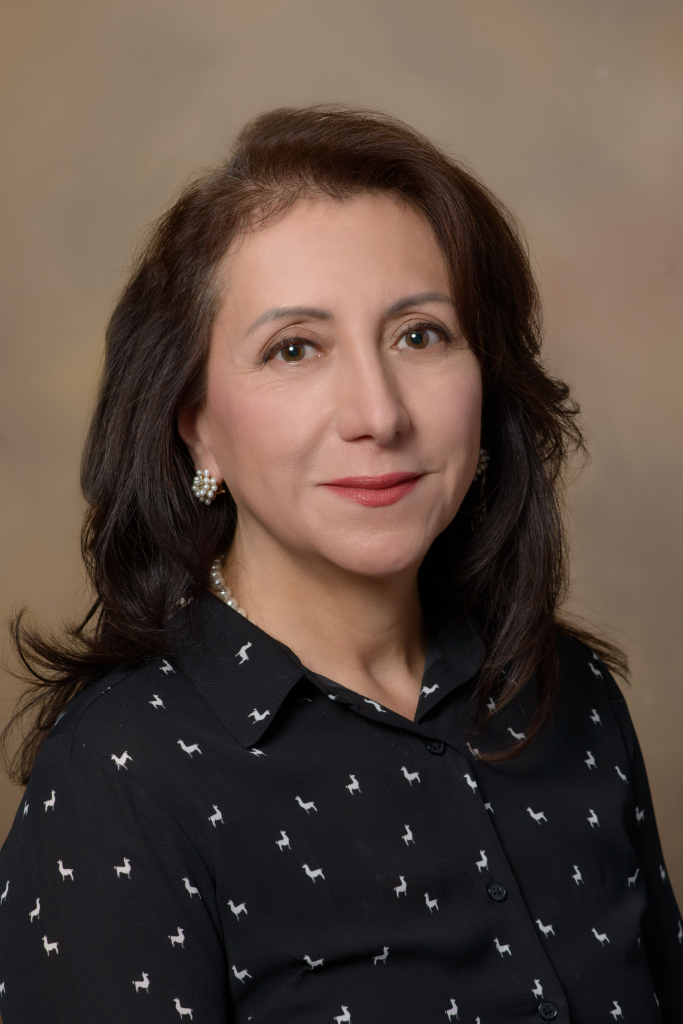
Rosi is a Senior Program Coordinator for Dr. David Garcia’s Nosotros Comprometidos a Su Salud -Committed to Your Health” program. She graduated from Universidad Anáhuac in Mexico City from the College of Business Management and Economics. Rosi is a certified health coach and has over 20 years of experience in business management and community outreach. Rosi oversees the team operations and supports them in fulfilling their mission of reducing health inequities faced by the Hispanic community in Southern Arizona, through community-engaged research collaborations, service, and education.
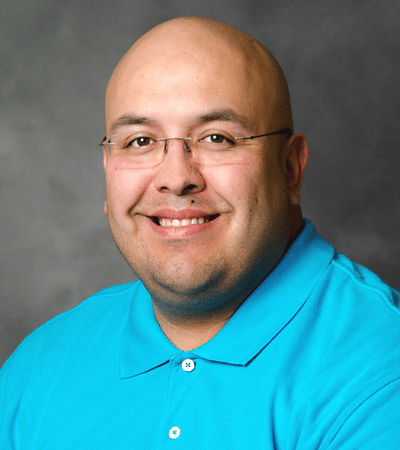
Julio Loya PhD, RN is an Assistant Professor of Nursing at the University of Arizona College of Nursing. Dr. Loya’s research interests include elucidating effective, culturally-tailored biobehavioral interventions to improve type 2 diabetes mellitus outcomes in the Hispanic/LatinX population. Dr. Loya has 18 years of clinical experience as a registered nurse, and has expertise in community-based participatory research. Dr. Loya is passionate about enhancing the health of the Hispanic/LatinX community through research to address health disparities.
Contact Us
For more information about the Health Equity Research Center, please email:
Katherine Mendoza, MPH
Project Director
katherinemendoza@arizona.edu