


Naloxone and Overdose Prevention Alliance (NOPAL) Initiative
Rooted in Dignity. Armed with Solidarity.
Resilience in Solidarity
The NOPAL Initiative offers life-saving resources and community education because we believe health is a right, not a reward. Like the nopal, or prickly pear cactus, which thrives in harsh conditions by taking root wherever it lands, we grow by expanding together and caring for each other. We partner with grassroots leaders to protect our community from systemic stigma, providing 'protective thorns' - from Naloxone on the street to training a future medical workforce in the classroom. We do more than provide services; we build our foundation on solidarity, compassion, and radical dignity for all. NOPAL Initiative: Rooted in Dignity. Armed with Solidarity.
The Nopal—the prickly pear cactus—is a symbol of endurance, healing, and life. It is a plant that does not just survive in the desert; it thrives, providing nourishment and protection even in the harshest conditions. The nopal grows and expands by creating new life from its own foundation: a single pad can take root where it falls, allowing the nopal to grow by spreading itself. This is the heart of our initiative. We believe that support is not top-down, but a community-wide expansion where we lift as we grow and root ourselves in collective care.
The desert can be a harsh environment, but it has never been empty. Long before formal programs existed, grassroots organizers and neighbors were already doing the work - keeping each other alive with courage and a shared commitment to survival. At the NOPAL Initiative, we recognize that we are walking a path cleared by these grassroots organizations. We don’t aim to replace that history; we aim to honor it, leveraging our resources and institutional power to partner with and support the frontline work that has always sustained our community.
We know that for too long, people who use drugs have been forced to navigate systemic stigma, isolation, and state-sanctioned persecution. Like the nopal, our community is incredibly resilient. However, resilience shouldn't be a requirement for survival.
We provide protective thorns not only through Naloxone and life-saving supplies that act as a shield against preventable harm, but also through community-wide education and overdose prevention training that empower organizations and individuals alike. We meet people exactly where they are, offering a menu of resources rooted in autonomy. Our support is a right, not a reward, and we never demand abstinence as a price for dignity.
But we are also looking toward the horizon and building a better future. By reaching into the classrooms and clinics of tomorrow, we are training future medical, public health, and social service professionals to trade judgment for empathy. We believe that a workforce centered on compassion and human rights is the foundation of a healthier society. By equipping these future leaders today, we are planting the seeds of a future where harm reduction is the universal standard of care and where the tools for life-saving health are rooted in every neighborhood.
The drought of stigma ends when we stand together.
NOPAL Initiative: Rooted in Dignity. Armed with Solidarity.
The NOPAL Initiative: Rooted in Dignity. Armed with Solidarity.
Core Values
Dignity & Autonomy
We believe people are the experts of their own lives. We provide a menu of resources, ensuring support is a choice, not a precondition.
Solidarity over Stigma
We don't just support, we stand with. We actively work to dismantle the persecution of people who use drugs through humanistic, person-centered care.
Innovative Collaboration
We bridge the gap between community needs and institutional systems, engaging public service and medical professionals to build a more educated future.
Persistent Connection
We meet people where they are (physically and emotionally), providing the roots of support through life-saving supplies and direct service.
Services
- Life-Saving Supplies: Distribution of Naloxone (Narcan) kits, fentanyl/xylazine test strips, safer-use equipment, and educational materials.
- Overdose Response Training: Hands-on workshops for individuals, businesses, and community groups on recognizing and reversing overdoses.
- Community Education: Professional training for clinics, organizations, and agencies on implementing low-barrier, person-centered harm reduction practices and topics around mental health and substance use.
- Clinical Education: Specialized training and presentations for medical, public health, and social work students to build a compassionate future workforce.
- Navigation & Advocacy: Peer-led support to help participants access healthcare and social services without the fear of judgment or persecution.
Objectives
Provide Immediate, Life-Saving Access
To maintain a low-barrier distribution network of Naloxone, safe supplies, and connections to outside resources, ensuring that harm reduction and options to healthcare access are in the hands of those who need them.
Establish a Universal Standard of Care
To partner with clinical and academic institutions to integrate harm reduction into standard training and practice.
Cultivate a Compassionate Workforce
To equip the next generation of medical, public health, and social service professionals with the empathy and evidence-based tools necessary to serve our community.
Dismantle Systemic Barriers
To replace punitive, state-sanctioned stigma with a permanent infrastructure of solidarity, making health resources a staple in every neighborhood.
Amplify Grassroots Resilience
To leverage our institutional resources to support and sustain the frontline work of community organizers.
Promote Radical Autonomy
To champion a healthcare model where support is a right rather than a reward, and where the self-determination of people who use drugs is the primary driver of care.
Get Involved
Interested in volunteering or learning more about the NOPAL Initiative?
Please contact Tiffany Randall at tiffanyrandall@arizona.edu.
Meet the Team
Image
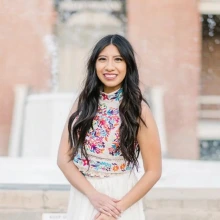
| Sheila Soto, DrPH Director, Community Engagement & Outreach Programs |
Image

| Rodrigo Valenzuela Cordova, MPH Program Manager, Community Engagement & Outreach – Phoenix |
Image

| Tiffany Randall Harm Reduction Coordinator |
Image

| Irene Garnett, MLIS Harm Reduction Outreach Specialist |
Image

| Hernan Villegas, BSW Peer Support Specialist |
Image

| Taryn Perez, MS Medical Student Worker |